A complete cover brief reduces the questions that have to travel between the practice, recruiter and GP. It also makes it easier to spot a mismatch before appointments depend on a booking. “GP needed next Tuesday” is only the first line of a brief.
The template below is for recruitment planning. Adapt it to your practice or PCN and keep patient-identifiable information out. It does not replace the assignment terms, required checks or local clinical procedures.
Start with the reusable brief
Open the plain-text template and save a copy in your usual document editor. Complete it with the person who understands the rota and the work being covered. Mark unknown details as requiring agreement and allocate someone to resolve them; do not present assumptions as confirmed arrangements.
Give the brief an owner and a revision date. Keep a single current version when several people are arranging cover so a clinician is not offered different hours or responsibilities by different contacts.
| Include | Make it specific |
|---|---|
| Place and dates | Practice or PCN, UK country, actual sites and each session date. |
| Whole workload | Consultation mix, session structure, administration, visits and handover. |
| Working arrangement | On-site, remote or hybrid, with attendance and equipment requirements. |
| People and access | Operational and clinical contacts, authorised systems and induction. |
| Commercial terms | Offered pay and unit, paid time, expenses, payment and cancellation arrangements. |
| Confirmation | Who completes checks, agrees the terms and confirms the assignment. |
Describe the work behind the rota gap
State why capacity is needed in operational terms: for example, routine sessions during planned leave or an agreed block of cover while recruiting. Describe the work itself without including a colleague’s private health information. Explain whether the GP will be part of the usual team or covering a separate service.
Set out the planned appointments and time allowed for records, correspondence and follow-up. Include any duty session, home visits, additional sites or expectation to supervise others. Identify work that stays with the existing team. There is no single session template suitable for every practice.
For recurring cover, describe what changes between dates and how continuity is handled between sessions. Distinguish a firm requirement from a preference: flexibility on one afternoon may make a request easier to assess, but it should not imply that all dates can move.
- Shift postedGP session, 8:30am to 6pm
- Locum appliedChecks already complete
- Terms agreedRate, duties and cancellation in writing
- Booking confirmedBoth sides get the detailsToday
Make remote and hybrid expectations explicit
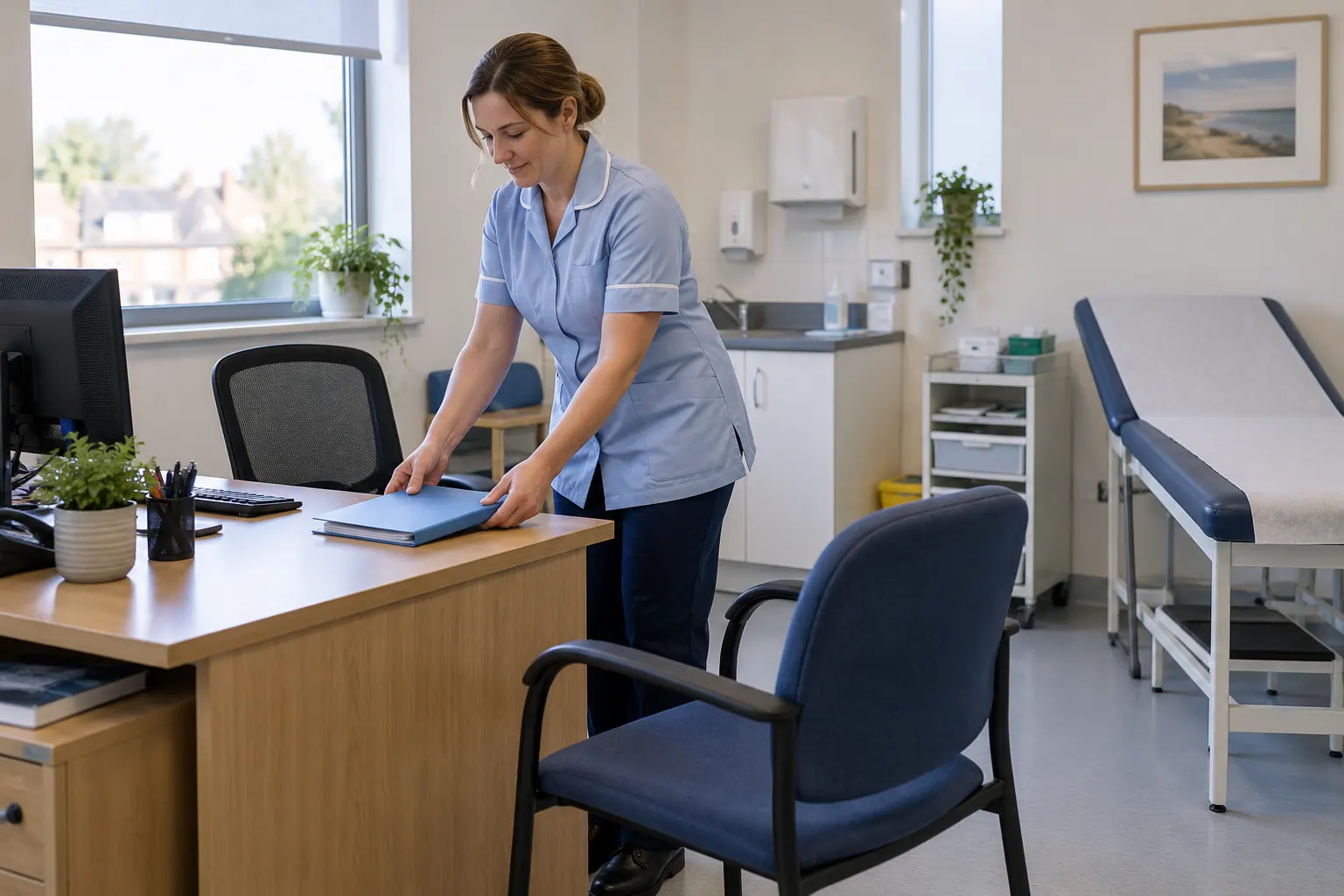
For on-site sessions, give the actual location and any movement between branches. For hybrid cover, list which days are on site and which are remote. Explain whether induction needs to happen on site and who supplies equipment.
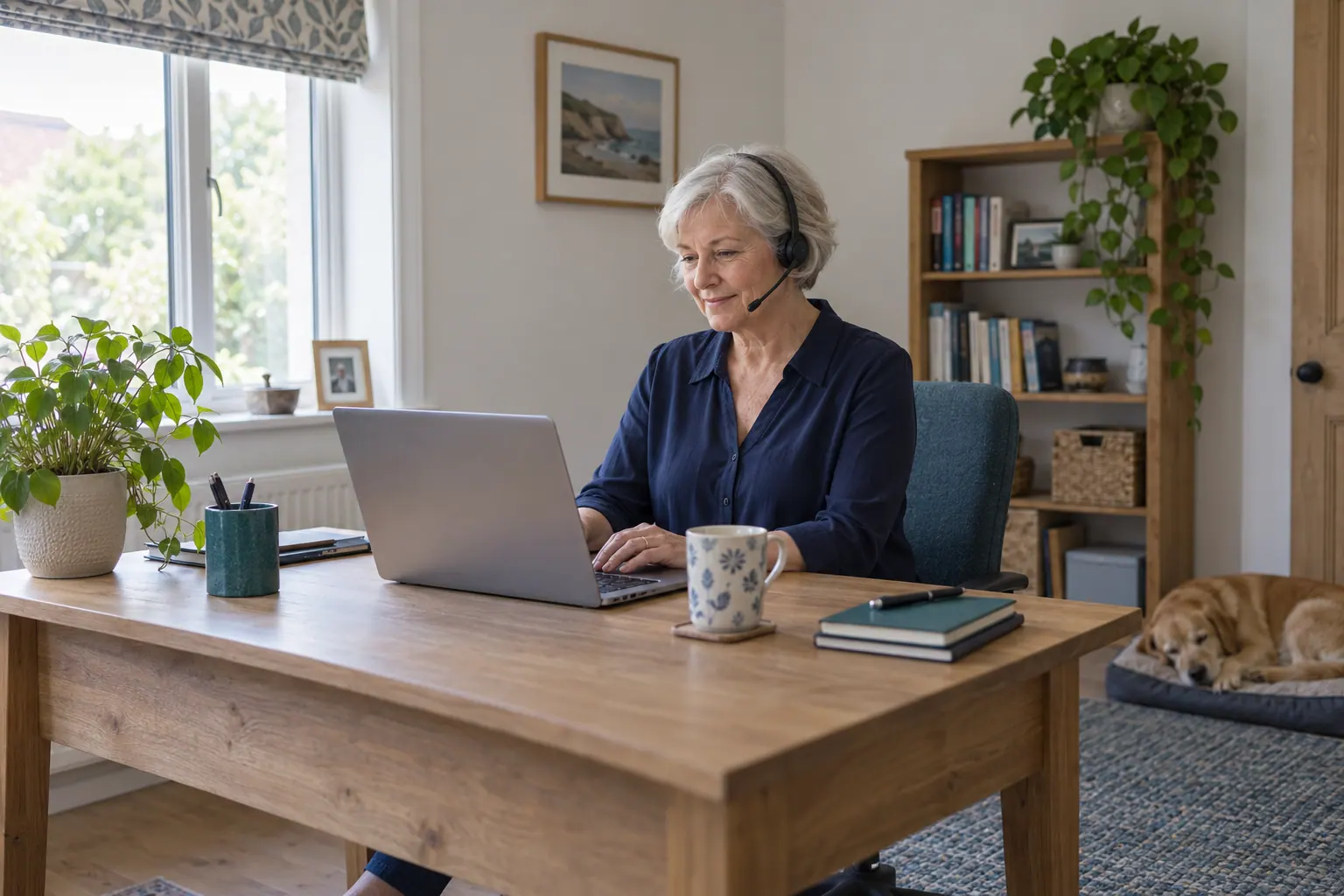
A remote brief needs an agreed route back into the practice for work requiring an in-person assessment. The GMC applies its professional standards to remote and face-to-face consultations; a remote label does not remove those responsibilities. Ask the clinical lead to define an appropriate service and support arrangement.
Sources: GMC: remote consultations
Name the people and systems that make the session workable
Include the clinical system, the local workflows the GP will use and the person arranging individual access. Set a time for access testing and induction. Explain who answers operational questions, who provides clinical support during the session and the backup route if either person is unavailable.
Agree where outstanding work is recorded and which named clinician or team receives it. The GMC emphasises continuity when care passes between colleagues. A plan for the final handover is as useful in the brief as a plan for arrival.
Separate suitability, payment and confirmation
Record who will obtain and assess the relevant registration, national performers-list and other assignment evidence. Check recent experience against the actual duties. Receiving a CV or registration number is not confirmation that those checks have been completed.
Specify the clinician’s offered rate and whether it is hourly, sessional or daily, together with the paid hours, agreed expenses and payment process. Keep the recruitment fee separate from clinician pay. If pension arrangements or other terms are unclear, sort them out before confirming the booking. The word “locum” does not settle them.
FindALocum introduces the locum; the hiring organisation contracts with and pays the clinician directly. Use the pricing page for the current booking fee. A submitted cover request does not reserve a GP or authorise changes to a patient-facing rota.
Use the same brief when something changes
If the date, site, workload or rate changes, send an updated version to the people arranging and undertaking the work. Record what was agreed and by whom. Avoid relying on an old attachment plus a series of unconnected messages.
After the assignment, ask which details were missing from induction and improve the next brief. Keep the template up to date so it reflects how your practice runs now.
Common questions
Can I use this for a PCN with several practices?
Yes. Name every relevant site, the person coordinating the booking and the contacts at each practice. State which sessions belong to each site and any travel or access arrangements.
Does completing the template confirm cover?
No. It prepares the enquiry. A booking still needs an agreed clinician, suitable checks, dates, duties, pay and assignment terms.
Should I include patient examples or appointment lists?
Keep the recruitment brief free of patient-identifiable information. Describe the type and volume of work. Share any later clinical information only through the practice’s authorised process when necessary for the work.
Official sources
Sources checked . Requirements can differ by country, employer and role; use the current guidance relevant to the work.
Published by FindALocum. How we prepare our articles · Suggest a correction